
Technical Articles
NANBEI Is Professional On Providing One-step Solution Of Laboratory Instruments And Equipment
Autoclaves (high-pressure steam sterilizers) are the undisputed gold standard in medical, research, and industrial sterilization. Their dominance stems from 12 scientifically validated advantages that outperform alternatives like dry heat, chemicals, and UV:
Microbial destruction: Achieves 10-6 SAL (Sterility Assurance Level) at 121°C in 15 minutes
Thermal penetration: Steam penetrates porous materials 40x faster than dry heat
Cycle times: 90% faster than ethylene oxide (EtO) alternatives
| Material Type | Autoclave Performance |
|---|---|
| Stainless Steel | ★★★★★ |
| Glassware | ★★★★★ |
| Surgical Textiles | ★★★★☆ |
| Rubber/Plastics* | ★★★☆☆ (*PP, PTFE, PC) |
| *Validated compatibility charts available |
Kill kinetics: Destroys even highly resistant Geobacillus stearothermophilus spores
Monitoring systems:
• Biological indicators (spore tests)
• Chemical integrators
• [Automatic cycle data logging]
Triple protection:
Mechanical interlock doors
Pressure-release valves
Temperature-regulated cooling
Contamination control:
• Pre-vacuum technology removes 99.9% air
• Pulsating vacuum ensures steam penetration
Zero toxins: Uses distilled water only (vs. EtO's carcinogenic residues)
Energy recovery: Modern units recycle >40% cooling water
Waste reduction: Replaces single-use alternatives
Digital traceability:
• FDA 21 CFR Part 11 compliant data recording
• Remote monitoring via [laboratory management systems]
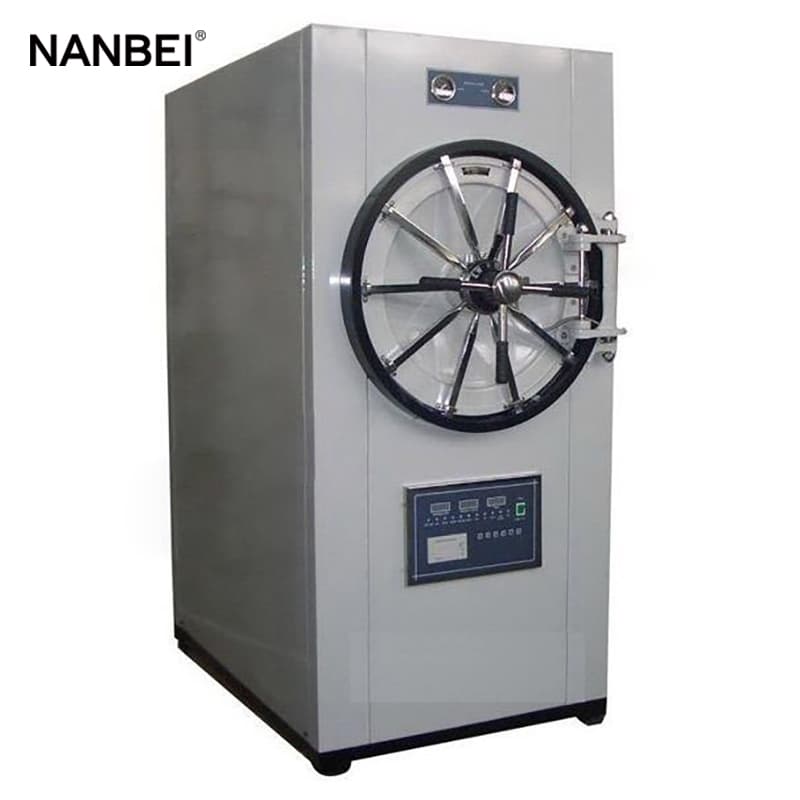
Industry-Specific Advantages
Pharmaceuticals: Validatable for GMP cleanrooms
Research Labs: Sterilizes bioreactors & sensitive media
Tissue Culture: Maintains cell line integrity
Microbiology: Prevents cross-contamination in BSL-2/3 labs
Maintenance Best Practices
Daily: Chamber cleaning & seal inspection
Weekly: [Calibrate temperature sensors]
Monthly: Biological validation testing
Annually: Pressure vessel certification
Pro Tip: Always use Type 1 (distilled) water - mineral deposits reduce efficiency by 25% and damage heating elements.