
Technical Articles
NANBEI Is Professional On Providing One-step Solution Of Laboratory Instruments And Equipment
Glass reactors are versatile laboratory equipment widely used for chemical synthesis, material extraction, and catalytic reactions. Available as single-layer or double-layer glass reactors, they offer excellent transparency, chemical resistance, thermal stability, and vacuum performance.
At Nanbei Instruments, our glass reactors are engineered for durability and efficiency, making them suitable for laboratory teaching, experimental R&D, production scale-up, and pilot projects. However, to ensure safety during operation, especially when working with volatile chemicals or at high temperatures, several safety measures must be in place.
Because glass reactors often involve large reaction volumes and volatile solvents, vapor concentration in the surrounding air can increase significantly. For double-layer reactors or jacketed reactors with heating and stirring functions, installing a gas detection alarm is essential to avoid accidental ignition or exposure to harmful fumes.
Learn more about Jacketed Glass Reactors
Avoid placing solvents, waste containers, or other clutter near the reactor setup. Keeping the area clean ensures clear emergency passages and reduces the risk of fire. Use designated chemical storage areas for flammables and corrosives.
For high-risk applications or flammable solvent systems, consider upgrading to an explosion-proof glass reactor. These systems replace standard motors, switches, and controllers with explosion-proof components. This adaptation is crucial for environments with strict safety regulations or high solvent volatility.
Every laboratory operating glass reactors must equip basic firefighting equipment, such as fire extinguishers and sand buckets. Operators must be trained in their proper use, and periodic drills should be conducted to maintain readiness.
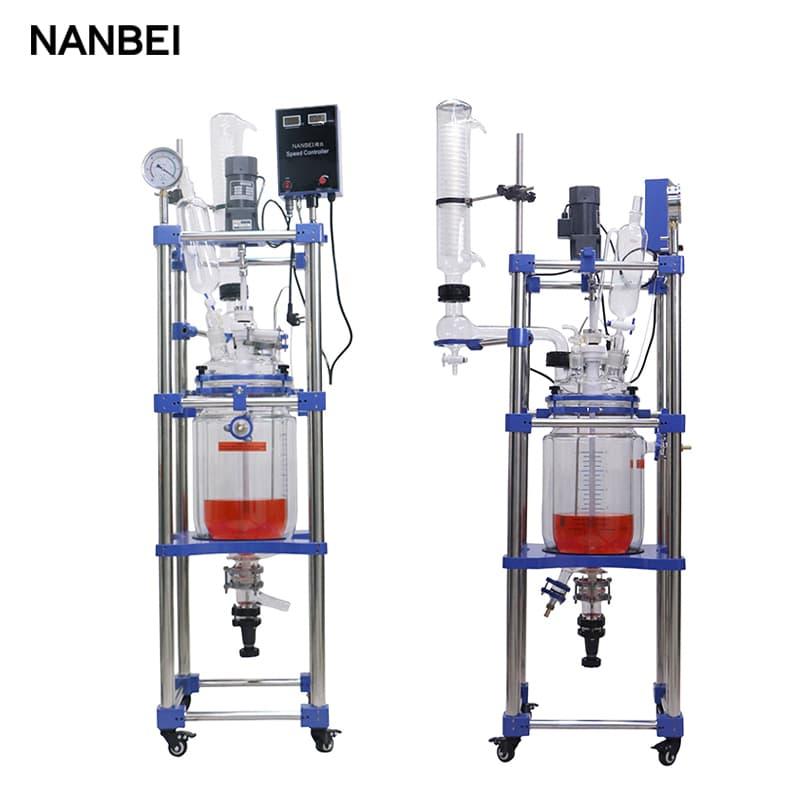
Always apply vacuum grease on sealing joints to ensure proper vacuum and reduce air leaks.
Check the tightness of fasteners regularly. Use appropriate tools but avoid over-tightening to prevent glass breakage.
Maintain regular inspections of the circulation system, particularly if using a high temperature or low temperature circulator for extended reactions.
Glass reactors are ideal for:
High-temperature or low-temperature reactions
Vacuum distillation
Reflux reaction
Material synthesis and purification
Solvent recovery
They also support continuous flow reactions and can be connected to other units for integrated processing.
Implementing the right safety settings is not optional—it is critical for maintaining a safe and efficient lab environment. Whether you are using a 1L benchtop reactor or a 100L production-grade reactor, these practices help prevent accidents, improve performance, and extend the equipment's service life.
For high-performance, safe, and reliable reactors, explore the wide range of options offered by Nanbei Instruments.
Check all Lab Glass Reactor Models